
MALTA – SUN, HISTORY, AND SLOW MOMENTS BY THE SEA
Malta surprised me in a very quiet, almost unexpected way. It’s not one of those destinations that shouts at you from the first minute. Instead, it slowly unfolds — through warm winter sun, stone streets that hold centuries of history, and simple daily moments that make you pause and breathe a little deeper. This is a place where time feels different. Slower. Kinder.
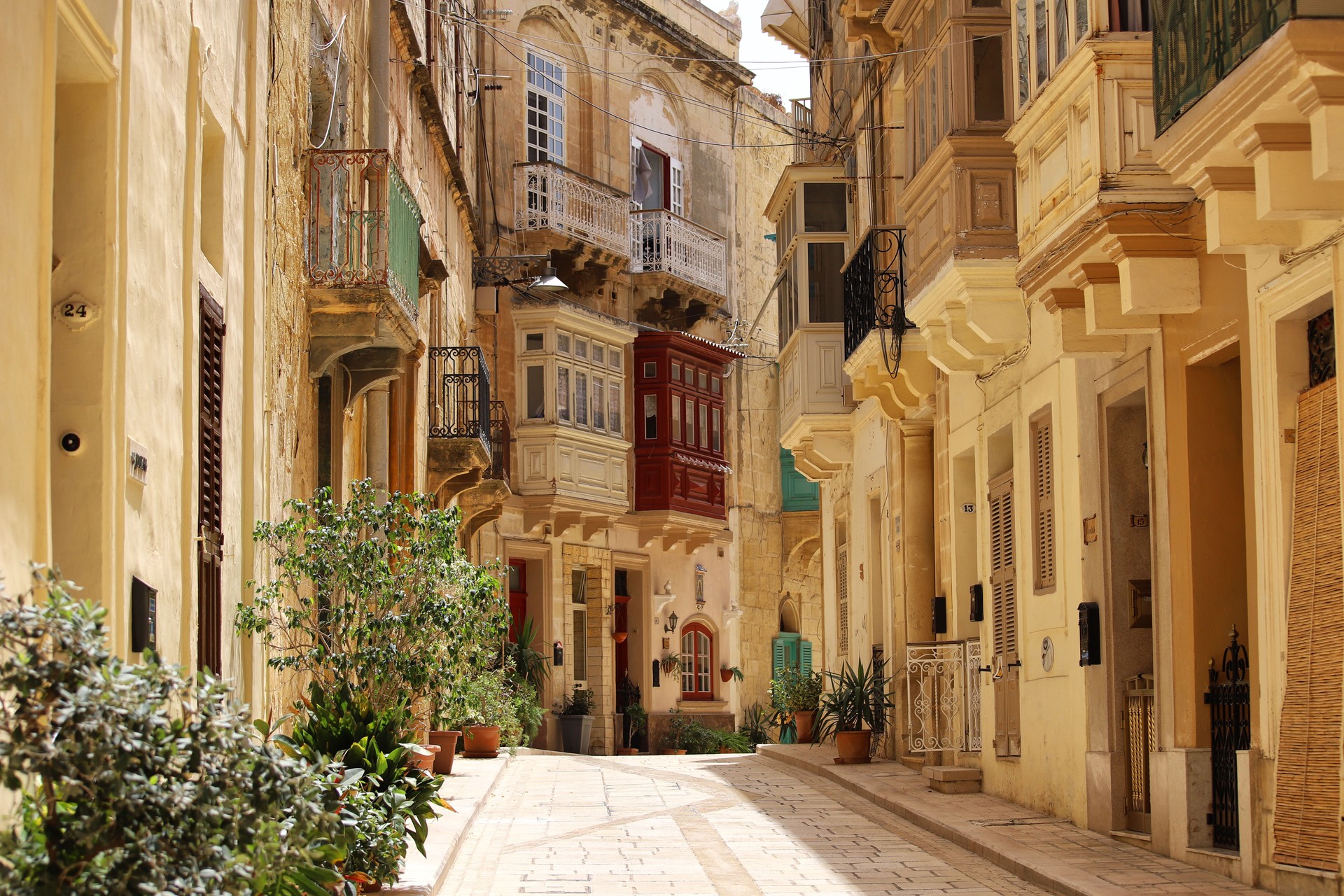
I arrived in Malta looking for light, warmth, and a change of scenery, and I found all of that — plus stories written into limestone walls, balconies painted in soft colors, and the sound of the sea never being too far away.
WHAT MAKES MALTA SO SPECIAL
Malta is small, but it feels incredibly rich. Rich in history, culture, and contrasts. One moment you’re walking past ancient temples older than the pyramids, and the next you’re sipping coffee by the water, watching fishing boats gently rock in the harbor. English is spoken everywhere, which instantly makes everything feel easy and relaxed, especially if you don’t want to think too much while traveling.
Despite being a popular destination, Malta never felt overwhelming to me. It felt lived-in. Real. Locals go about their day, cafés are full in the mornings, and evenings are calm rather than chaotic.

DAILY LIFE, PRICES, AND CAFÉ CULTURE
One of the first things I noticed was how affordable everyday life felt, especially compared to many other European destinations. Morning coffee became a small ritual — usually enjoyed outside, even in winter, thanks to the mild climate. A cappuccino or espresso typically costs around €2–€3, and pastries are fresh, simple, and satisfying.
Eating out in Malta doesn’t feel like a luxury you have to overthink. A casual lunch in a local café costs around €10–€15, while dinner in a nice restaurant is usually between €18–€30 per person. Seafood is excellent, especially near the coast, and portions are generous without being heavy.
It’s the kind of place where you can comfortably enjoy daily café stops without constantly checking your wallet.

GETTING AROUND THE ISLAND
Malta is easy to navigate, even without renting a car. Public buses connect almost the entire island, and tickets are affordable. A single ride costs just a few euros, and weekly passes make even more sense if you plan to explore properly. Ride-hailing apps like Bolt also work well and are reasonably priced.
That said, some of my favorite moments happened simply by walking — wandering through narrow streets, climbing small hills, and stopping whenever something caught my eye. Because the island is compact, nothing ever feels too far away.

WEATHER AND THE BEST TIME TO VISIT
One of Malta’s biggest advantages is its climate. Even in winter, temperatures often hover between 15–20°C, making it perfect for walking, sightseeing, and sitting outside without freezing. Summers are hot and dry, often reaching over 30°C, which is ideal for beach lovers but can feel intense if you’re not used to heat.
For me, the best time to visit Malta is spring and autumn. The weather is warm but comfortable, the island feels less crowded, and everything moves at a gentler pace.

DAY TRIPS THAT TRULY STOOD OUT
Some of the most memorable experiences in Malta happened outside the main tourist routes.
A day trip to Gozo feels like stepping into a quieter version of Malta. It’s greener, calmer, and perfect for slowing down. The ferry ride itself is part of the experience, with open views of the sea and coastline.
Click here Gozo day trip
Another unforgettable place is Comino and the Blue Lagoon. The water is unreal — clear, turquoise, and inviting even just to look at. Going early in the day or outside peak season makes all the difference.
Click here Comino & Blue Lagoon tour
Walking through Mdina, the old silent city, felt almost surreal. Narrow streets, warm stone buildings, and a deep sense of history make it one of those places you don’t rush through. You let it guide you instead. Click here

WHERE TO STAY IN MALTA
Choosing where to stay depends on the kind of trip you want. St. Julian’s and Sliema are lively, modern, and close to the sea, while Valletta offers atmosphere, history, and beautiful views at every turn. For something quieter, smaller towns and villages give a more local feel.
Accommodation in Malta offers great value. Comfortable hotels and boutique stays are available at reasonable prices, especially outside peak season.
hotels in Malta:

HOW TO GET TO MALTA FROM DUBLIN
Getting to Malta from Dublin is straightforward, with direct flights available several times a week. Flight time is under four hours, making it an easy escape from colder, greyer days. Prices can be surprisingly affordable if you’re flexible with dates.
Click here flights from Dublin to Malta

FINAL THOUGHTS
Malta isn’t about rushing from one attraction to another. It’s about atmosphere. About letting the sun warm your face in winter, about history quietly surrounding you, and about enjoying life at a slower, more thoughtful pace.
I would recommend Malta to travelers who appreciate culture, gentle exploration, and destinations that don’t try too hard to impress — because they don’t need to.
This is a place I would return to when I need calm, warmth, and inspiration.
If you enjoyed this Malta story:
If Malta felt warm and soulful, my journey to Corfu moves you closer to nature — greener landscapes, island life, and quieter days. Press here
